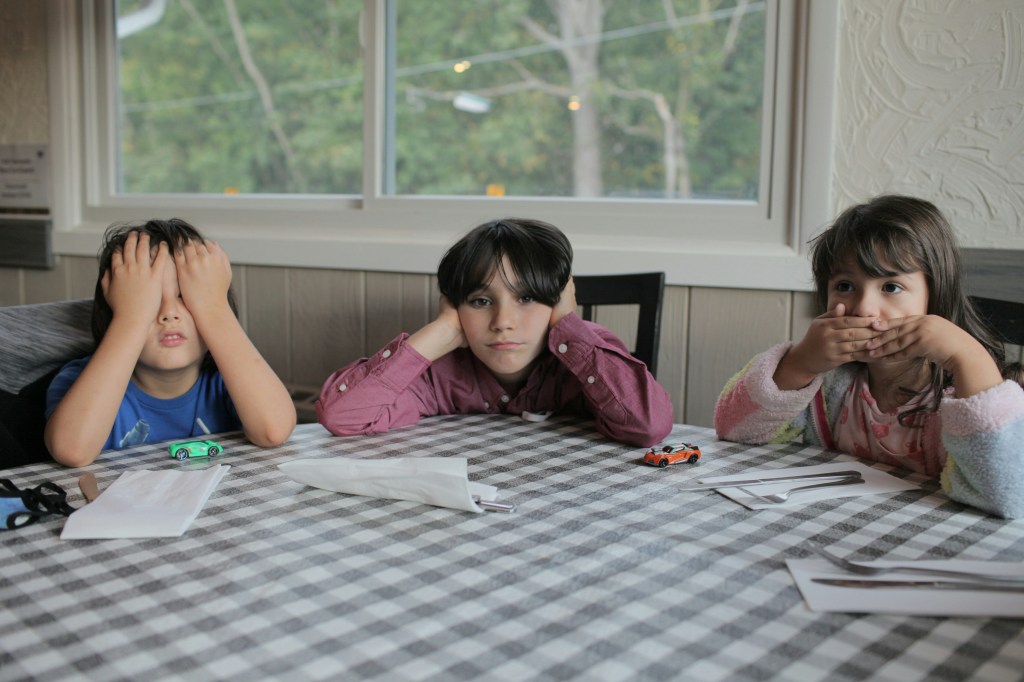
Question: do you think you see other people in 2D or 3D?
I’m reading a book called High Conflict by Amanda Ripley. The author discusses important concepts, like confirmation bias (our tendency to interpret new info as confirmation of our pre-existing beliefs) and false binaries (seeing things in black and white, good vs. evil). These unhelpful traits of human nature lead conflict to build up until it enters another phase – “high conflict” – in which the conflict itself takes over. The rational thinking that originally brought each party to their different opinions is then eclipsed by the haunting magnetism of being at war (figuratively).
Ripley shares some knowledge and experience from a divorce lawyer, Gary, who works WITH couples – representing both parties – to bring them through the process with respect, cooperation, and understanding.
Gary gives great advice for mediating situations –
When people disagree on something, he digs into the “understory” of the disagreement. As a response to his patient, gentle probing and his non-judgmental presence, his clients start to open up and really EXPLAIN their feelings. As each party shares their thoughts and emotions, the other lets their guard down a little. The confirmation bias of each party is challenged and – surprise, surprise – the other person isn’t JUST selfish or close-minded or irresponsible or neurotic; there is a reason for their feelings. This mediation enables Gary’s clients to sympathize with each other instead of demonizing each other.
Isn’t it amazing how our eyes are opened when we start to give others grace and really listen? Suddenly, all the blacks and whites of the world become shades of grey.
I think communication reminds us we are not the main character.
We often see ourselves in 3D – the good, the bad, the ugly, the hopes, the dreams, the triumphs, the justifications for why we do bad things. But we see others in 2D – surface level – like NPC’s (non-playable background characters in a game).
Why is communication key? Because it forces us to see each other in 3D – as REAL people with nuanced opinions, real people with reasons for our feelings and actions, real people deserving of love and consideration.
Viewing people in 2D is breeding grounds for stereotyping and “us vs. them” mindsets. If we see people we KNOW in 2D – spouse, parent, coworker – we feel more resentment and frustration in our daily lives. But if we view people we DON’T know in this way – a political or religious group, for instance – we can get swept up in “mob mentality” and be really hateful or, in extreme cases, violent.



 Retrospective Lily
Leave a comment