
(Northwest Observer, September 2023)
It all started with a little clumsiness.
As a child, I took dance class, played soccer and enjoyed recess as much as schoolwork.
When I entered middle school, puberty began to work its magic, giving me plenty of “fluff” rolls and pimples. I also became clumsier, which seemed like a normal part of adolescence.
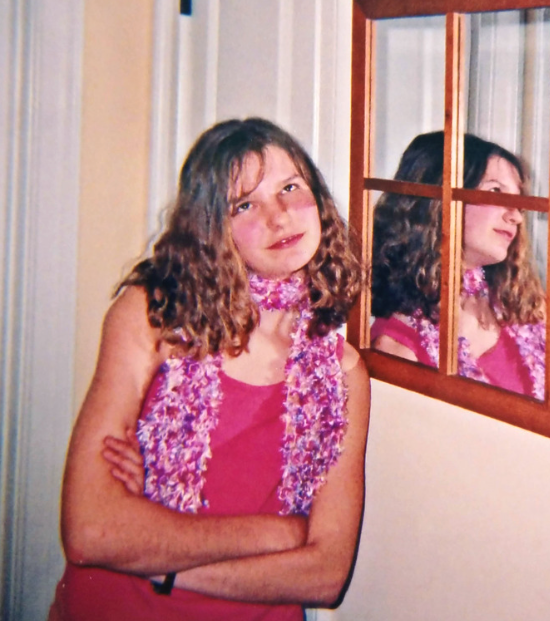
Over the next year, my coordination grew worse, and I began staggering when I walked. I struggled to go upstairs with my arms full of textbooks because I needed to hold the handrail. What was initially written off as nothing became unusual and concerning.
We looked under every rock to find a solution – a reason why. I even got an MRI scan of my brain in seventh grade. No one could pinpoint what was happening to me.
By age 16, my staggering was more noticeable; I walked like I’d had too many drinks – just what a teenager needs on top of the regular insecurities that come with that age!
When my parents booked me for three days of medical testing at the world-renowned Mayo Clinic, I didn’t want to go because investigating it only made it more real.
Doctors conducted a genetic test, and the results answered all our questions from the last few years. I was diagnosed with a genetic disease called Friedreich’s Ataxia, with no medical treatment (yet).
Friedreich’s Ataxia (FA) causes progressive damage to the spinal cord, peripheral nerves and brain, resulting in uncoordinated muscle movements, poor balance, difficulty walking, fatigue, changes in speech and swallowing, heart issues and a shortened lifespan.
FA tends to develop in children/ teens and gradually worsens over time. Although rare, it’s the most common form of hereditary ataxia in the United States, affecting about one in every 50,000 people.

Since there was no treatment, knowing I had FA didn’t change anything. I continued to hang out with my friends and act like a typical teenager.
From then up to my first couple years of college, I walked unassisted, drove my car and even lived away from home. Despite my diagnosis, I was young and living it up!
Looming quietly in the background, however, was my ever-worsening disease.
In 2013, I met my current physical trainer, who lived in the same apartment complex as me. One day, as I staggered from machine to machine in the gym, he approached me and introduced himself as a trainer, gave me his phone number and assured me he could help me. I guess he noticed my walking and, although he didn’t know what disability I had, he was intrigued by the potential challenge.
After mulling it over for a few days, I gave him a call and set up an appointment.
We started working out three days a week, which is still our schedule. Though exercise cannot stop my disease progression, it has transformed my life – but more on that later.
By 2014, my walking was so bad that I was plagued by relentless self-consciousness. Everywhere I went, everyone who looked at me, I was wondering, ”Are they judging me? Are they laughing at me?”

I strongly resisted visible signs of disability; the stigma is brutal. As miserable as it was to live in a mindset of fear and shame, I refused to use a mobility aid (a walker, cane, wheelchair, etc.).
Things reached a breaking point after I fell a couple times in public. I finally decided using a walker at age 20 couldn’t possibly be more humiliating than lying on the floor, in a store or restaurant, helpless.
The change in my psyche did not happen overnight. But as time passed – as I went to class, hung out with friends and ran errands using my walker, as the burden of my constant anxiety grew lighter and lighter – something amazing happened. I had an epiphany.
I realized I could embrace who I am instead of trying to hide it. I can be a stylish, cool, beautiful young lady… with a disability.
Over the next couple years, my confidence blossomed. I didn’t worry about judgment using a walker. I began to view mobility aids the way they should be seen: tools that make life easier.
By 2016, walking around all day even with a walker became exhausting and impractical. I was ready to transition to using a wheelchair fulltime (I had only used it occasionally beforehand).
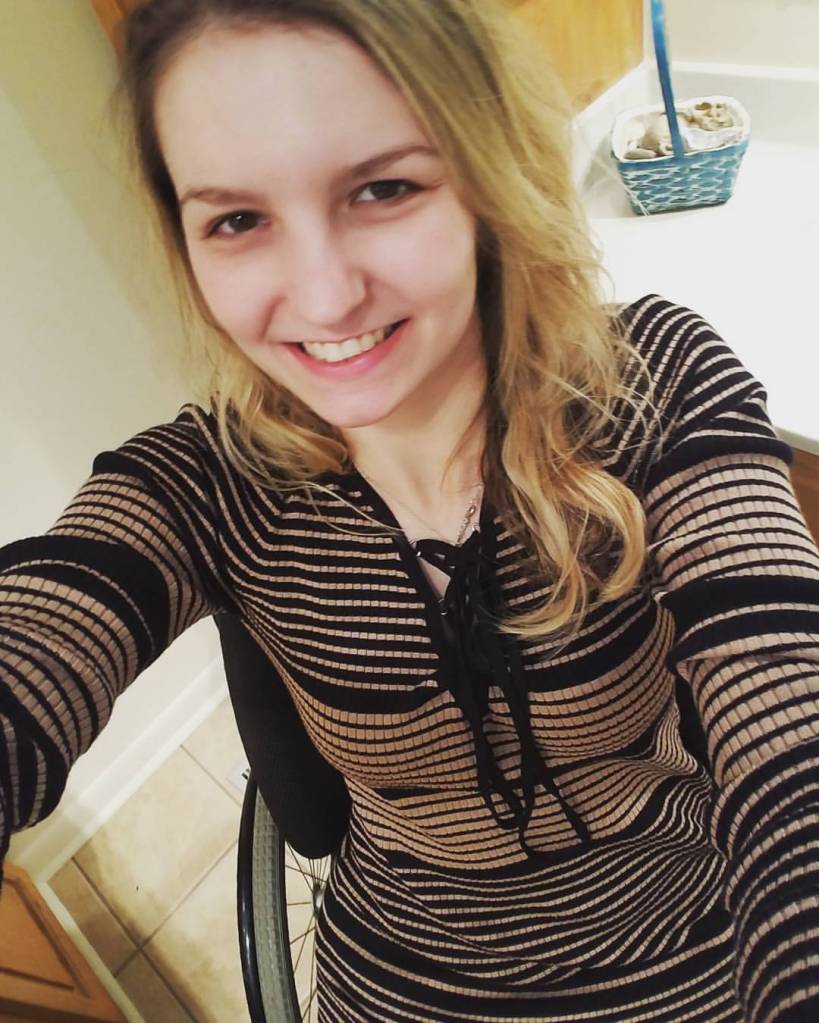
The wheelchair turned out to be my ticket to freedom. It empowered me to go anywhere, do anything…
Well, as long as there weren’t stairs!
Skipping forward to the present day, I still use a wheelchair – sometimes manual, sometimes electric. I graduated from college with an English degree and work part-time for the Northwest Observer. I teach and occasionally preach at my church, Gideon Grove United Methodist Church in Stokesdale.
I don’t drive anymore, but my social life hasn’t suffered, thankfully!
I’ve gained so much wisdom on my disability journey and hopefully inspired people along the way. How we face our struggles can shine a light for others. I believe this is “the reason why.”
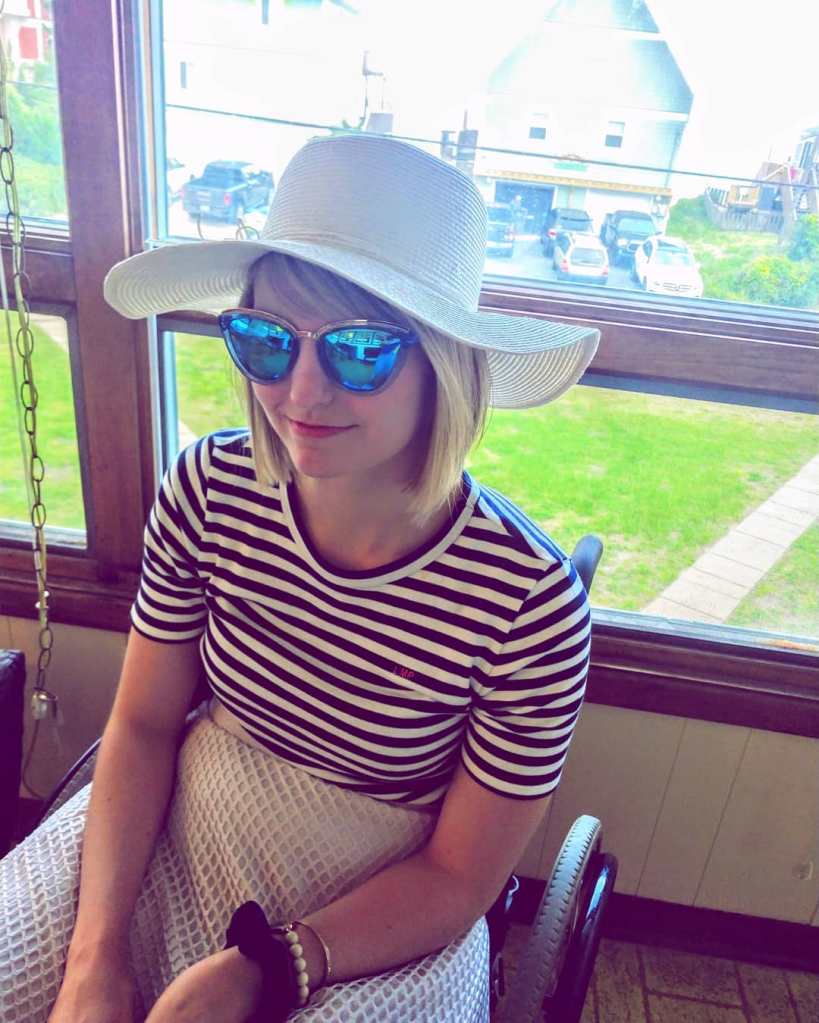
For 25 years, FARA (Friedreich’s Ataxia Research Alliance) has worked to raise awareness and funds that support clinical drug trials to find a treatment or cure for FA. I’ve participated in two of them.
In fall 2019, we learned one experimental treatment showed statistically significant results. Those taking the placebo continued to gradually get worse, but many of those taking the medicine didn’t progress as fast, or remained stable; and some participants actually improved.
When the news was announced at the annual scientific symposium in Philadelphia, Pennsylvania, the room erupted in applause and tears of joy.
Our hope was soon deflated when the FDA rejected the drug, instructing us to conduct more studies to further prove its efficacy.
The FA community then petitioned the FDA to reconsider. Amazingly, our efforts were successful, and the medicine was approved this past February.
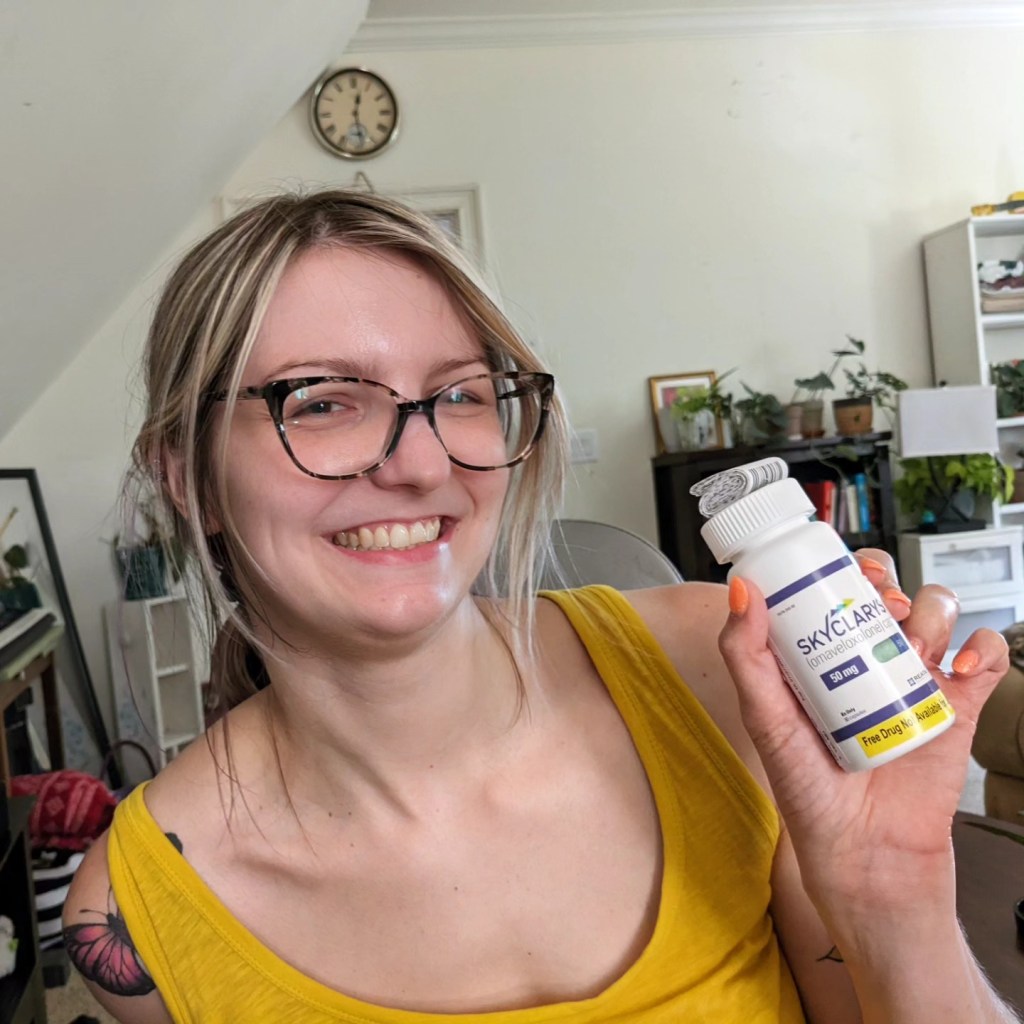
I obtained the medicine (Skyclarys) in August. It felt surreal – in the best possible way! At age 16, I was diagnosed with an untreatable rare disease. At age 30, I am taking the first FDA-approved medicine for it.
Though the fight to find other treatments and eventually a cure is in full force, it’s an indescribable relief to have something as we wait for more progress.
Leanne Hayes, a Stokesdale resident with FA who is also taking this medicine, commented, “I have a love/ hate relationship with it.” She’s experienced positive and negative side effects, but she’s thankful a treatment is available.
She added, “Nothing about FA is ever easy, is it? I imagine God has a plan; we just have to be patient.”
I’m eager to see what happens and praying for maximum benefits. Meanwhile, I’ll continue to exercise, perhaps the best thing I could do for my body.
Though my poor balance and dexterity is inevitable, giving up on myself isn’t!
I keep my muscles strong, which helps with the tasks of daily life. Exercise is great for my mental health; it gives me a clear mind (sluggishness, be gone!) and boosts my mood (shoutout to adrenaline and endorphins).
I’ll also keep volunteering, working, and of course, spending time with loved ones. My disability doesn’t prevent me from having a full life!
 Retrospective Lily