Hi, friends. Life’s short, so stop scrolling through social media and read a good book instead!
David Copperfield by Charles Dickens
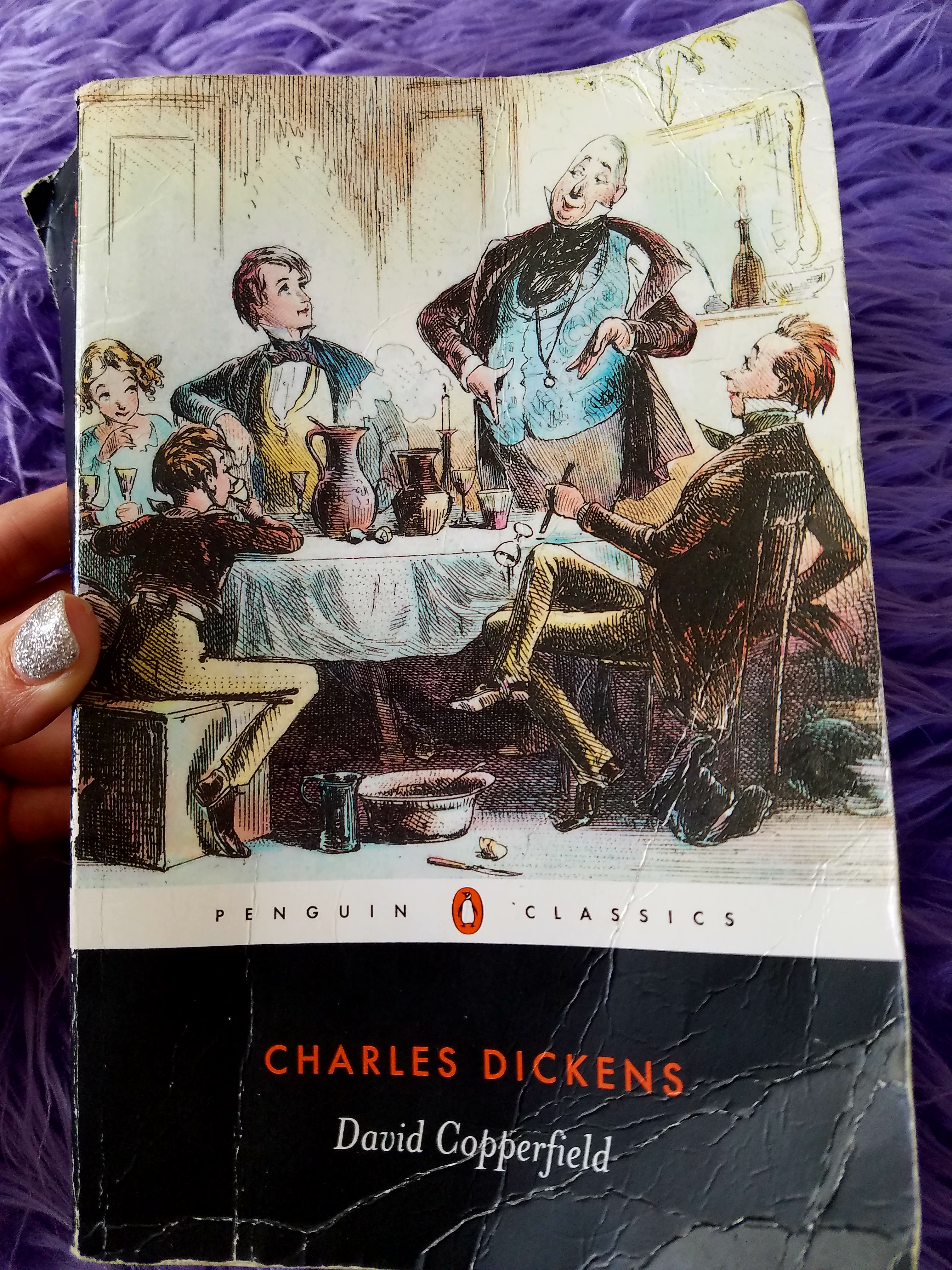
Published around the middle of Charles Dickens’ long, prosperous career as a novelist in the Victorian era, David Copperfield is the bildungsroman of the ambitious, sharp, lovable David Copperfield. Is this reminiscent of Jane Eyre, yet? David Copperfield, whose father passed away before his birth, endures a difficult childhood with a timid, young mother, his loving nurse, a cold, tyrannical stepfather, and a relentlessly critical step-aunt. His journey towards better prospects begins with his being sent away to school. Throughout his adolescent years, he attends two schools–one harsh and one not–and makes new connections that remain relevant to the end. Transformational events are mixed with the less dramatic details of Copperfield’s life–people running away, great betrayals, great fortune, marriages, near-death experiences, deaths, etc. The book ends while Copperfield is a middle-aged writer (with the book being his life’s account to “present”). Though the book’s length equates to Gone With the Wind, Dickens uses his various characters and plot lines with deliberation, and his ability to make a long story seem interesting and important all the way through helped me endure the length. In other words, the first half of the novel and the last half need each other; I had a strong sense that the novel was planned in great detail from the outset (which is evidenced by Dickens’ chapter footnotes in the back of my edition). The characters are so developed, especially Copperfield, that they feel like real people.
Additional Background
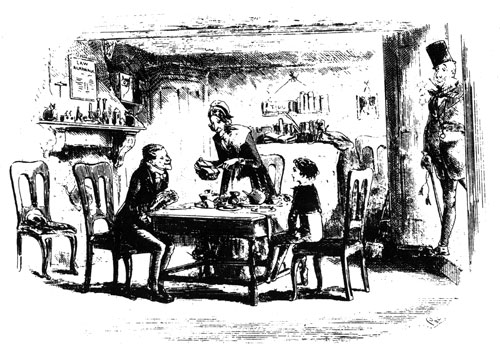
The novel’s full title is The Personal History, Adventures, Experience and Observation of David Copperfield the Younger of Blunderstone Rookery (Which He Never Meant to Publish on Any Account). The novel was first published in sections over the course of two years, appearing in magazines from 1849-1850; the whole novel was published in 1850. The 61 illustrations (commissioned by Dickens, drawn by Phiz) accompanying the novel add even more life and charm to Dickens’ dynamic characters. David Copperfield reflects a lot of autobiographical influence, and Dickens referred to the novel as his child. Both Dickens and his protagonist worked their way up from small jobs to writing novels as a career.
I’ve included five of the illustrations that span from Copperfield’s childhood to his adulthood. Thanks for reading!








Leave a comment